
Pipe Dimensions
State NPS or DN, actual OD and starting wall from the applicable dimensional standard.
Mesta Inc. manufactures A106 Gr B bends for gradual changes in pipeline and industrial piping direction. Each enquiry is reviewed against the defined diameter basis, centreline radius, pipe size, wall thickness, angle, material, end details and inspection requirements.
An A106 Gr B bend is produced from seamless carbon steel pipe specified to ASTM A106 Grade B, subject to the applicable edition, purchase specification and technical review. The grade identifies the starting material; it does not define the bend radius, angle or end dimensions.
The approved drawing should state pipe size, actual OD, starting wall, numeric centreline radius, bend angle, tangents, ends and dimensional tolerances. Material certificates and heat traceability connect the finished bend to the approved pipe.
Mesta Inc. reviews material condition, size, wall, radius, angle, forming feasibility, testing and documentation before confirming the supply scope. Related configurations are available on the carbon steel bend and bend as per drawing pages.
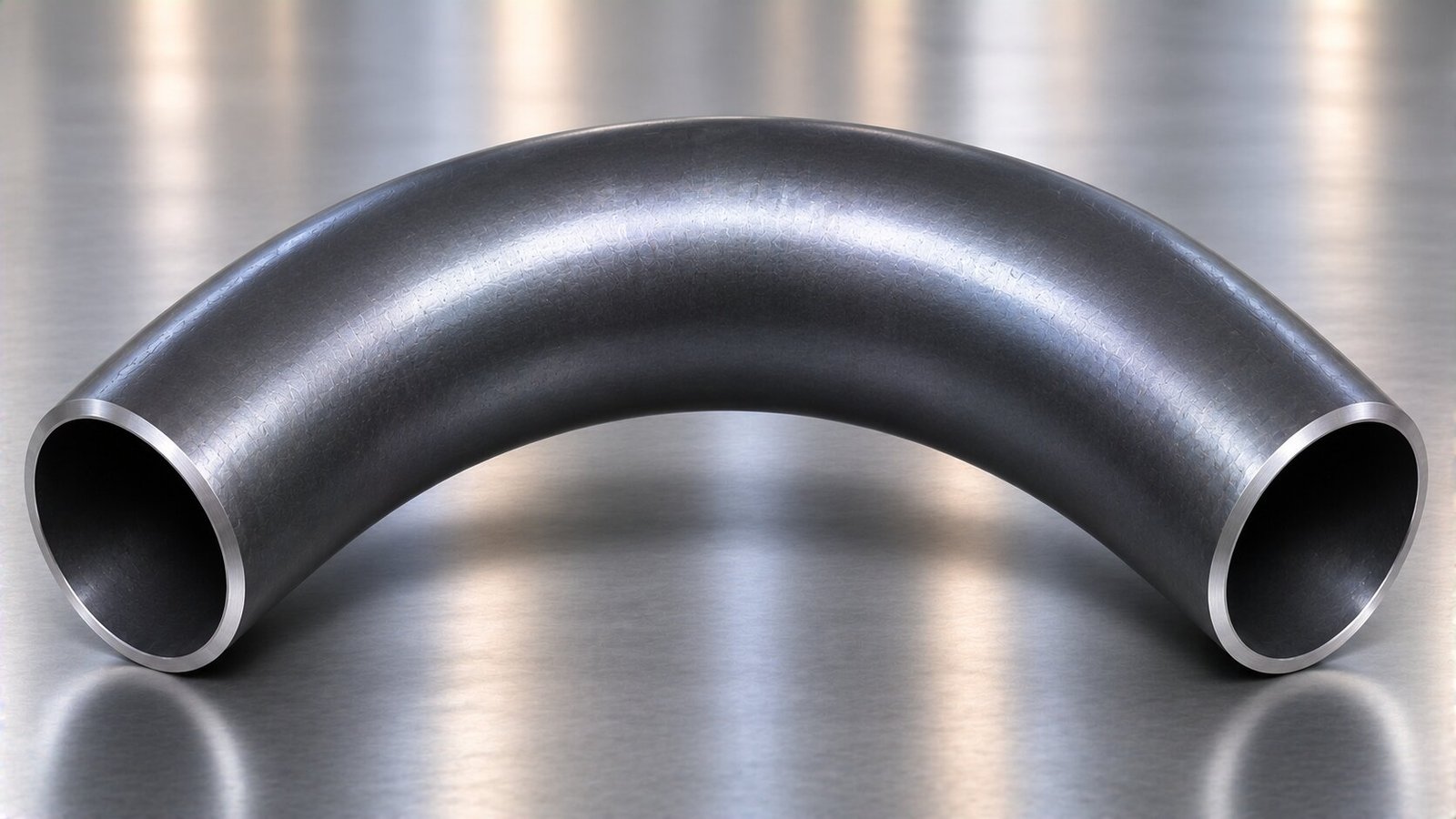
A purchasing specification must combine ASTM A106 Grade B material requirements with exact bend geometry and acceptance criteria. The applicable standard edition, pipe dimensions, material documentation and any supplementary project requirements should be identified.
| Pipe size | DN, NPS and actual outside diameter supported by the applicable dimensional standard. |
|---|---|
| Starting material | ASTM A106 Grade B seamless carbon steel pipe, with the applicable edition and required delivery condition. |
| Centreline radius | Exact drawing-defined CLR stated numerically in millimetres. |
| Bend angle | Project-defined angular change with permitted positive and negative tolerance. |
| Wall thickness | Pipe schedule or nominal wall plus any specified minimum finished-wall requirement. |
| Tangents | Required straight length at the inlet and outlet beyond the theoretical tangent points. |
| Material records | Required certificate type, heat number traceability and supplementary test results. |
| End preparation | Plain, square-cut, bevelled, flanged or other drawing-defined connection details. |
| Testing and documents | Dimensional, material and additional agreed inspection records required by the order. |
| Surface condition | Bare, painted or project-specified coating with preparation and inspection requirements. |
Terminology note: ASTM A106 Grade B identifies the starting-pipe material specification and grade, not the bend angle or radius. An A106 Gr B bend may use different drawing-defined angles and centreline radii.
The material designation does not establish geometry. State the numeric CLR, angle, tangents, end planes and overall references on the controlled drawing so production and inspection teams use the same measurable requirements.
State NPS or DN, actual OD and starting wall from the applicable dimensional standard.
Place the required centreline radius directly on the drawing and define any project D-radius convention.
For angle θ in degrees, theoretical centreline arc length equals π × CLR × θ / 180.
Add the pipe radius, bend angle and any straight tangents when checking space, supports and transport.
Drawing note: Do not rely on “long radius” or the material grade alone. Use numeric dimensions and identify the drawing revision governing manufacture and inspection.
The enquiry should state ASTM A106 Grade B, the applicable edition, dimensions, required certificate, heat traceability and any supplementary project requirements. Design suitability remains the purchaser's responsibility.
Verify the pipe marking and material certificate against ASTM A106 Grade B and the purchase order.
Maintain identification from incoming pipe through cutting, forming, inspection and final marking.
State impact, hardness, NDE or other project-specific testing requirements at enquiry stage.
Define internal and external systems, cutbacks, surface preparation, thickness and inspection separately.
Material options include carbon steel bends, alloy steel bends, stainless steel bends, 3LPE bends and coated bends.
Forming feasibility depends on the combined pipe size, wall, material condition, radius and angle. Mesta Inc. reviews size, wall, material, angle, radius, tangents, quantity and acceptance criteria before confirming feasibility.
Verify ASTM A106 Grade B, pipe dimensions and the numeric CLR and record the exact centreline radius in millimetres.
Resolve angle, tangent points, straight ends, end planes, tolerances and overall envelope.
Check the specified grade, pipe dimensions, condition and traceability before production.
Apply the approved route and controls for the pipe size, wall, material and long-radius profile.
Cut to drawing dimensions, prepare the ends and complete specified surface or coating work.
Verify the bend, compile agreed documents and prepare suitable support and protection for dispatch.
Inspection should verify material traceability, drawing-defined geometry and the formed pipe cross-section. Wall and ovality acceptance limits, measurement locations and methods must be agreed in advance.
Verify the actual CLR using the drawing-defined measurement method and approved diameter basis.
Check the included angle, tangent references, straight lengths and overall end positions.
Complete specified wall and cross-section checks at the agreed locations along the bend.
Confirm end dimensions, bevel or flange details, material traceability, marking and protection.
An A106 Gr B bend may be specified where ASTM A106 Grade B seamless carbon steel pipe suits the design and service conditions. Project-specific uses include:
Related material and construction options include carbon steel bends, coated bends and pulled bends.
Provide the complete radius definition, pipe data and project scope so Mesta Inc. can review the requirement:
It is a drawing-defined pipe bend manufactured from seamless carbon steel pipe specified to ASTM A106 Grade B, subject to technical review and the purchase requirements.
No. ASTM A106 Grade B defines the starting-pipe material grade. The drawing separately defines bend angle, CLR, tangents and ends.
State the required numeric centreline radius in millimetres and identify any D-radius convention used by the project.
State the required material certificate type, heat traceability, marking and any supplementary test reports in the purchase order.
Yes, subject to technical and manufacturing review. The material grade remains A106 Grade B while the approved drawing controls the angle and radius.
Specify ASTM A106 Grade B pipe with the required material certificate, heat traceability and any supplementary testing or impact requirements.
Send the pipe size and OD, ASTM A106 Grade B edition, numeric CLR, angle, wall, certificate requirements, tangents, ends, tolerances, testing, coating and quantity.
Send Mesta Inc. your pipe data, ASTM A106 Grade B requirement, numeric CLR, bend angle, material, wall, tangents, end details, inspection scope and quantity.